Avoid Parking Fines During Moves on Kilburn High Road
Posted on 06/07/2026
![A white box truck from Man with Van Brondesbury is parked on a paved area outside a modern apartment building on Kilburn High Road. The truck is positioned in front of the building's entrance, with orange traffic cones placed nearby to manage parking. The truck's cargo area appears to be closed, ready for home relocation or furniture transport. The surrounding environment includes multi-story residential units with large windows and balconies, indicating a contemporary urban setting suitable for house removals. The overcast sky provides diffuse lighting, and the pavement is clear of additional vehicles or obstructions. The scene captures the loading process typical of professional removal services, such as those offered by [COMPANY_NAME], during packing and moving operations in an inner-city area.](/pub/blogphoto/avoid-parking-fines-during-moves-on-kilburn-high-road1.jpg)
Moving day on Kilburn High Road can feel a bit like a race against the clock. Vans pull in, boxes stack up by the kerb, someone is looking for the lift keys, and the last thing anyone wants is a parking fine landing after an already stressful move. If you are trying to avoid parking fines during moves on Kilburn High Road, the real trick is simple: plan the vehicle, the timing, and the stopping place before the first box leaves the flat.
This guide walks through what actually causes fines, how local loading works in practice, and the small decisions that make a big difference. You will also find a checklist, a comparison table, and a few local-minded tips that can save both money and hassle. To be fair, most moving fines are not caused by one huge mistake; they come from lots of tiny ones that add up.
Why Avoid Parking Fines During Moves on Kilburn High Road Matters
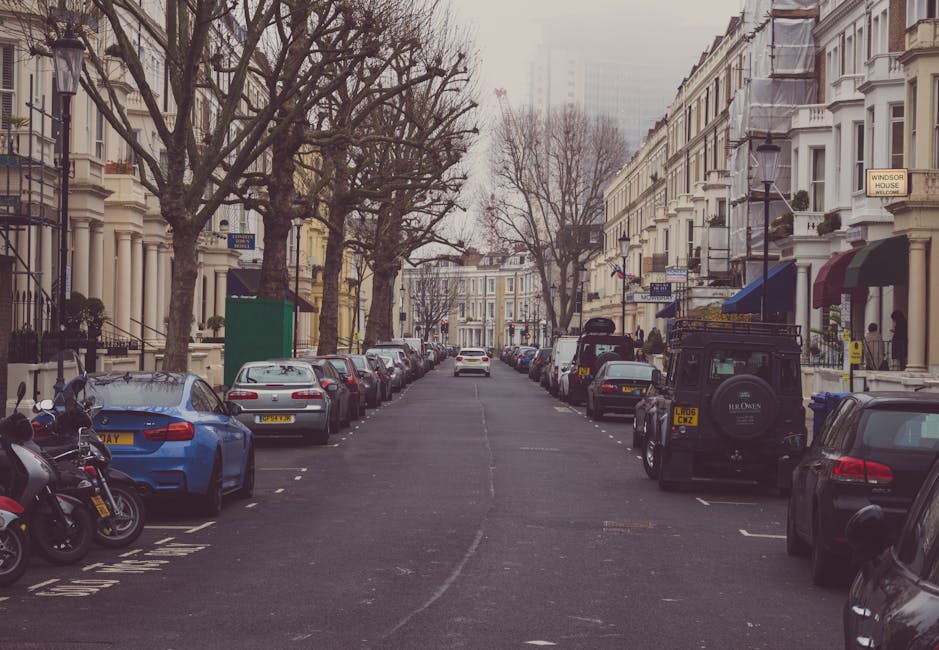
Kilburn High Road is busy, narrow in places, and rarely forgiving when a vehicle is left where it should not be. During a move, the pressure rises fast because you are not just parking a van; you are trying to keep people, furniture, and time moving in the right direction. A small parking error can lead to a ticket, a delay, or a frustrating back-and-forth with a driver who has gone to move the van after you thought it was safe.
Fines matter for more than the money itself. They can disrupt the loading plan, slow down dismantling, and make the whole job feel rushed. And rushed moves are where things get damaged. A scratched wardrobe leg or a dented fridge door is no one's idea of fun, especially when the day is already noisy and the pavement is crowded.
There is also the reputation side of it. If you are using a professional crew, they still need clear parking instructions from you. A good mover can do a lot, but they cannot magically invent a legal bay where there isn't one. That is why local planning matters before moving day, not during it.
If you want to understand the broader flow of a well-planned move, this stress-free house moving guide is a useful companion piece. It helps put parking into the wider moving picture rather than treating it as an afterthought.
How Avoid Parking Fines During Moves on Kilburn High Road Works
In practice, avoiding fines is about matching your move to the street, not the other way around. That means checking where the vehicle can stop, how long it can stay there, and what kind of access is available for lifting items. On a road like Kilburn High Road, that usually means planning around loading bays, time restrictions, single yellow lines, and any local permit requirements that may apply.
Think of it in layers. First, identify the safest legal stopping point. Next, make sure it is close enough to the property for efficient loading. Then, make sure the moving schedule fits the parking window. If those three things line up, the risk of a fine drops a lot. Not to zero, because London traffic has a way of making simple plans slightly messy, but a lot.
One useful mindset is this: the van is part of the move, not a separate problem. The driver, the boxes, the route from door to vehicle, and the parking arrangements all need to work as one system. When they do not, people start improvising. And improvising on a high-traffic road is where tickets tend to happen.
For readers who want local parking insight, the article on Kilburn High Road loading bay spots is especially relevant. It complements this guide by focusing on where practical stopping points tend to make the most sense during a move.
Key Benefits and Practical Advantages
The obvious benefit is avoiding a parking fine. But the real advantages go further than that. A proper parking plan can make the move calmer, quicker, and safer. You spend less time carrying items further than necessary, and that matters when you are moving awkward furniture or navigating tight stairwells.
- Less money wasted: A fine can be annoying on its own, but it can also trigger extra costs if the delay means extending the van hire or moving help.
- Faster loading: Legal, close-by access usually means fewer steps, fewer awkward turns, and fewer chances to drop something.
- Lower stress: Once parking is sorted, the rest of the day feels much more manageable. Funny how that works.
- Better neighbour relations: Nobody wants to block a driveway or create a scene outside a flat block at 8 a.m.
- Less damage risk: Shorter carry distances often mean fewer bumps into walls, railings, or door frames.
There is a hidden bonus too: good parking can improve packing discipline. When people know the vehicle is waiting close by, they tend to move with purpose instead of wandering between rooms and rechecking the same cupboard three times. In our experience, that little bit of structure helps a lot.
Who This Is For and When It Makes Sense
This advice is for anyone moving from or to Kilburn High Road, but it is especially helpful if you are dealing with a narrow street, a busy apartment block, or a move that has to happen within a tight time slot. If that sounds like your day, the parking plan should be treated as essential, not optional.
It is particularly useful for:
- flat moves where the van cannot sit directly outside for long
- house moves with multiple trips between floors and street level
- student moves with smaller loads but little margin for error
- same-day removals where speed matters and there is no time to "see how it goes"
- office or business relocations that need the vehicle to stay efficient and predictable
If you are moving bulky items, the parking issue gets even more important. A sofa that has to be carried 80 metres is one thing. A piano or wardrobe over the same distance is another. That is where a local specialist can make life easier, especially if you are also looking at furniture removals in Brondesbury or even a more tailored service like piano removals.
And yes, timing matters. A 7 a.m. start is very different from a lunchtime move, particularly on a road with steady traffic and frequent stopping. The earlier you map that out, the fewer surprises later.
Step-by-Step Guidance
Here is a practical process you can follow. Nothing fancy. Just the stuff that works.
- Check the street conditions in advance. Look at the road layout, the property entrance, and whether there is a sensible place to stop without blocking traffic or access.
- Confirm the loading window. If you are using a bay or a restricted area, make sure the expected arrival time fits the restriction. A five-minute mismatch can be enough to cause trouble.
- Decide who is watching the vehicle. On moving day, there should be no confusion about who stays with the van and who goes upstairs. Confusion is expensive, honestly.
- Pack by carry order. Place the most urgent items where they can be loaded first. That reduces idle time at the kerb.
- Move the heaviest items first if access is tight. It sounds obvious, but people often start with the easy boxes and leave the awkward pieces until the end. Then the van is parked, the bay is expiring, and everyone sighs.
- Keep walkways clear. This speeds up the carry and reduces trip hazards. It also makes the move look a lot more controlled.
- Build in a buffer. Traffic, lift delays, and a missing key are normal moving-day annoyances. A buffer helps absorb them without forcing bad parking decisions.
- Have a backup plan. If your first parking choice is taken, know the next legal option before you arrive. That small bit of forethought can save the day.
A useful side note: if you are trying to simplify the entire move, good packing helps more than people expect. This guide to packing efficiently for your move works well alongside parking planning because faster loading means less time at risk.
Expert Tips for Better Results
Here are the little things that experienced movers pay attention to. They may seem minor, but they make the difference between a smooth unload and a scramble.
- Arrive before the chaos builds. Early morning is often easier for loading because the road is quieter. Not always, but often enough to be worth considering.
- Use one person as the parking lead. Too many people giving parking instructions creates noise, not clarity.
- Pre-label items by room. If boxes are clearly marked, the crew can move faster. Faster work means less time parked.
- Leave the front of the property clear. Don't stack items outside while someone tries to manoeuvre the van. It becomes a bottleneck very quickly.
- Be realistic about loading time. A "quick stop" has a way of becoming twenty minutes once the mattress won't fit through the door.
- Use a trolley or straps where possible. Less shuffling means fewer delays at the kerb.
One more thing: if your move involves a lot of heavy lifting, it may be worth reading about safe solo lifting techniques and the broader idea behind kinetic lifting and ergonomics. The parking plan and the lifting plan go hand in hand. A quick load is usually a safer load.
And yes, if you are moving a bed, mattress, or other awkward flat-pack item, that can change the loading rhythm quite a bit. The practical advice in transporting your bed and mattress is worth a look before moving day.
Common Mistakes to Avoid
Most fines happen because people assume the street will "be fine for a bit." That usually ends badly. The following mistakes are the ones we see most often, and frankly, they are easy to avoid once you know them.
- Assuming the van can wait anywhere. On busy roads, waiting is sometimes the issue, not just parking.
- Forgetting about loading bay rules. Some bays are time-limited or restricted. A legal stop in the morning may not be legal at lunch.
- Starting too late. If you begin the move after traffic builds up, your parking window gets squeezed.
- Leaving the driver to guess. Drivers need clear instructions. They are not mind readers, much as we all wish they were.
- Blocking access while waiting for keys or lift access. That creates pressure and can attract enforcement attention.
- Ignoring narrow-street access. Even if parking is legal, the vehicle still has to enter and leave safely.
- Not checking permit needs early. If permission is needed, last-minute scrambling is a bad idea.
For more on local planning and permit considerations, the article on Brent Council permits for removals in Brondesbury is a smart read. It is especially useful if you want to reduce uncertainty before moving day.
Tools, Resources and Recommendations
You do not need a big toolkit, but a few basic things help enormously. A phone with maps, a printed moving plan, tape, labels, and a trolley can save time and reduce mistakes. If you are moving furniture, a blanket or protective wrap is also wise. It is amazing how often a doorway gets the blame for a bad scratch.
Here are some useful resources to consider in your own prep:
- A written move schedule: Arrival time, loading order, room-by-room priority, and who handles keys.
- A contact sheet: Driver, building manager, family member, and anyone helping on the day.
- Boxes and packing materials: Good materials make loading faster and neater. Packing and boxes in Brondesbury is a natural place to look if you want a more organised approach.
- Storage support: If you need to stage items rather than move everything in one go, storage in Brondesbury can reduce pressure on the day.
- Move planning support: A broader overview from services overview can help you line up the right type of help for the move.
For those who want a calmer day from start to finish, this piece on preparing for relocation and cleaning efficiently can also help reduce last-minute clutter. Less clutter often means less time spent loading. Simple, but true.
Law, Compliance, Standards, or Best Practice
Parking on busy London roads is governed by local restrictions, road markings, and enforcement rules that can change from one stretch of road to the next. Because of that, the safest approach is to treat every move as a compliance exercise as well as a logistics exercise. If a bay is restricted, if a yellow line applies, or if a permit is required, you should plan around that rather than hoping for the best.
Best practice is straightforward:
- check the signage carefully before the move
- allow time for loading, not just arrival
- avoid blocking crossings, driveways, or access points
- make sure the driver knows the exact stopping plan
- assume that "just for a minute" may still be enough for enforcement action
If your move involves larger vehicles or repeat stops, it is also sensible to think about health and safety. Items should be lifted with care, walkways should be kept clear, and people should not be rushing across traffic lanes carrying awkward furniture. The company's own health and safety guidance and insurance and safety information are worth reviewing if you want to understand the wider duty of care around the move.
Truth be told, local moving is rarely glamorous. But doing the legal and practical basics properly is what keeps the day from turning into a headache. That is the standard worth aiming for.
Options, Methods, or Comparison Table
Different parking approaches suit different kinds of move. Here is a simple comparison to help you choose the least risky option for your situation.
| Parking approach | Best for | Main advantage | Main risk |
|---|---|---|---|
| Direct outside property | Short, quick moves with space available | Fastest loading distance | Can be blocked by traffic or restrictions |
| Nearby loading bay | Busy roads and planned removals | More predictable than random street parking | Bay time limits may be tight |
| Pre-arranged permit or authorised stop | Longer or more complex moves | Greater certainty if arranged properly | Requires advance planning and checking |
| Off-street holding point | Moves with storage, staging, or multi-trip schedules | Reduces pressure on the main street | May add carry distance or extra handling |
For many moves on Kilburn High Road, the most sensible answer is not one method but a combination: a legal stop, a fast load, and a fallback if the first bay is busy. That way, you are not depending on luck. And luck is not a strategy, sadly.
Case Study or Real-World Example
Here is a realistic example. A couple moving from a first-floor flat near Kilburn High Road had a sofa, a bed frame, eight medium boxes, and a few kitchen items. At first, they wanted the van to stop "just outside somewhere." That would have been risky because the road was busy and the available spaces were already limited.
Instead, they checked the likely loading point before moving day, set a clear arrival window, and packed the first-load items near the front door. They also split the move into two phases: the heavier furniture first, then the boxes. The result was not dramatic or glamorous. But it was calm. No rushing back and forth, no panicked double-parking, and no fine at the end of it.
The interesting part was that the move felt smaller once the parking issue was solved. That is often what happens. The mind treats parking as a side detail, but on the day itself it becomes the anchor for everything else. Get that right, and the rest tends to behave better.
If your move feels similar, you may also find it helpful to read the street-by-street moving checklist for Brondesbury Park and timing and parking tips for moving from Willesden Lane NW6. They fit naturally with the same local planning mindset.
Practical Checklist
Use this checklist the day before your move. It is simple, but it catches the usual problems.
- Confirm the arrival time of the van or moving team
- Check the street for signs, restrictions, and possible loading points
- Make sure someone can meet the vehicle and direct it
- Pack the most important items separately
- Keep hallways, steps, and the entrance as clear as possible
- Prepare any permits or access details in advance
- Choose a backup parking option if the first one is unavailable
- Set aside parking money or digital payment access if needed
- Let neighbours know if the move may affect the pavement or entrance briefly
- Review safety arrangements for heavy or awkward items
If you are also trying to declutter before moving, a quick read of clutter-free move tips and tricks can help reduce what needs to be loaded in the first place. Less stuff, less parking stress. Nice and tidy.
Expert summary: The safest way to avoid parking fines during moves on Kilburn High Road is to treat parking like part of the moving schedule, not a separate task. Choose a legal stop, plan a realistic load window, and keep a backup option ready. That combination usually prevents the worst mistakes and makes the whole day feel much more controlled.
Conclusion
If you want to avoid parking fines during moves on Kilburn High Road, the answer is not complicated: plan early, stay realistic about timing, and do not leave parking to guesswork. A little preparation goes a long way, especially on a road that is busy enough to punish improvisation. Once parking is under control, the move becomes easier to manage, safer to carry out, and far less likely to spiral into stress.
That is really the whole point. Not perfection. Just fewer surprises, fewer delays, and a day that feels under control instead of out of control. And yes, that is absolutely possible.
Get a free quote today and see how much you can save.
When the van is parked legally and the boxes are moving in a steady rhythm, you can almost hear the relief in the room. Small victory, but a real one.
![A white box truck from Man with Van Brondesbury is parked on a paved area outside a modern apartment building on Kilburn High Road. The truck is positioned in front of the building's entrance, with orange traffic cones placed nearby to manage parking. The truck's cargo area appears to be closed, ready for home relocation or furniture transport. The surrounding environment includes multi-story residential units with large windows and balconies, indicating a contemporary urban setting suitable for house removals. The overcast sky provides diffuse lighting, and the pavement is clear of additional vehicles or obstructions. The scene captures the loading process typical of professional removal services, such as those offered by [COMPANY_NAME], during packing and moving operations in an inner-city area.](/pub/blogphoto/avoid-parking-fines-during-moves-on-kilburn-high-road3.jpg)