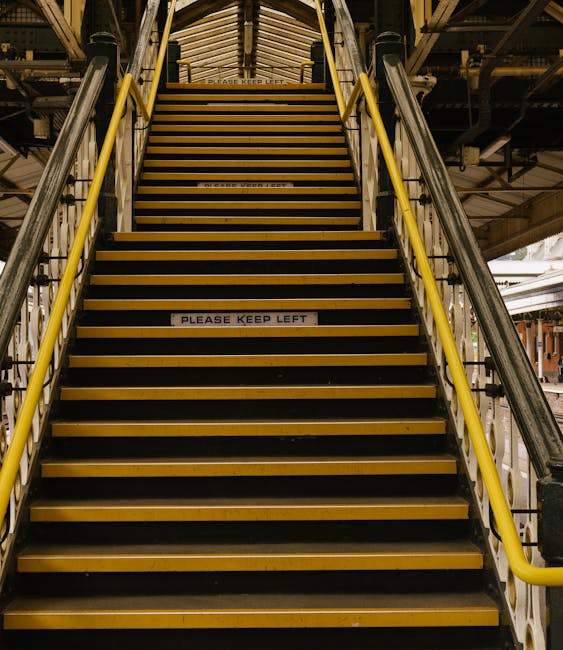
Brondesbury Station Moves: Narrow-Stairs Removal Plan
Posted on 06/05/2026
If you are facing a move near Brondesbury Station, narrow staircases can turn a straightforward day into a bit of a puzzle. A sofa that looks fine in the hallway suddenly will not swing around the landing. A wardrobe catches on a banister. A mattress bends where you really do not want it to. That is exactly why a Brondesbury Station Moves: Narrow-Stairs Removal Plan matters. It is a practical way to think through access, lifting, protection, timing, and the route in and out before anything heavy is carried.
Done well, this kind of planning saves time, reduces damage, and lowers the stress that comes with tight shared entrances, basement steps, top-floor walk-ups, and awkward corners. In this guide, you will find a clear explanation of how the process works, who it suits, what to avoid, and how to prepare your home so the move feels controlled rather than chaotic. No drama, just a sensible plan that works in real life.
Why Brondesbury Station Moves: Narrow-Stairs Removal Plan Matters
Station-adjacent moves often come with a familiar set of headaches: older buildings, narrow stairwells, tight turns, and limited parking. Around Brondesbury Station, that mix can make even a modest flat move feel more demanding than expected. The issue is not just convenience. It is about protecting your belongings, your walls, and your back. Let's face it, a staircase can be a rude little gatekeeper.
A narrow-stairs removal plan matters because the stair route is usually the bottleneck. Before the van arrives, you need to know whether a bed frame can come down assembled, whether a piano needs special handling, or whether a wardrobe should be dismantled. That decision changes the whole day. It affects labour, tools, packing order, and how many trips are needed between the property and the vehicle.
For flats, maisonettes, and upper-floor homes in particular, access planning can prevent avoidable delays. It can also reduce awkward neighbour issues in shared hallways. A careful plan means fewer surprises at the door, and fewer moments where everyone stands there in silence looking at a sofa that will not quite fit. That silence... you know the one.
If you are still mapping out the wider move, it helps to read practical guides such as stress-free house moving advice and the company's overview of moving services in Brondesbury. Those pages help frame the bigger picture, while this article focuses on the access challenge itself.
How Brondesbury Station Moves: Narrow-Stairs Removal Plan Works
The process is simple in principle, though the details matter. A narrow-stairs removal plan starts with measuring and ends with a safe, clean exit. In between, you identify the awkward pieces, match them to the access route, and choose the right handling method for each item.
Usually, the plan works in these stages:
- Assess the access - measure staircase width, landing size, ceiling height, banister clearance, and door swing.
- List the awkward items - mattresses, sofas, wardrobes, glass tables, appliances, and anything heavy or fragile.
- Decide what must be dismantled - this may include bed frames, table legs, shelving, and some modular furniture.
- Protect the route - use floor covers, corner protection, and padding for bannisters and door frames.
- Assign the handling method - two-person carry, team lift, strap-assisted move, or specialist equipment.
- Sequence the load-out - move the hardest items first while the team is fresh and the route is clear.
Good movers do not just lift and hope. They read the property first. For example, a turned stair in a Victorian conversion near the station may require a different approach from a straight staircase in a newer block. One property might allow a mattress to angle down neatly; another might need it wrapped, twisted, and guided one slow step at a time. Tiny differences, big effect.
For heavy or unusually shaped furniture, it is sensible to pair this planning with the right service. Pages such as furniture removals in Brondesbury and flat removals support are useful if your move involves multiple large items or a tight stairwell route.
Key Benefits and Practical Advantages
The biggest benefit is control. When you plan for narrow stairs in advance, the move feels much more deliberate. That alone reduces stress. But there are other practical upsides too.
- Less damage risk to walls, banisters, light fittings, and furniture edges.
- Faster loading because the team already knows which items need dismantling or extra padding.
- Safer lifting because the route and carrying method are agreed before the heavy work starts.
- Better use of labour since the movers are not improvising at the stairwell.
- Cleaner outcomes because floor protection and route management are part of the plan.
There is also a quiet financial advantage. Planning often reduces the chance of avoidable delays, rushed decisions, or damage-related costs. That does not mean every move gets cheaper, of course. But it does mean the work is easier to quote accurately, especially where access is tight. If you want to compare service levels or request a tailored estimate, the pricing and quotes page is a sensible starting point.
Expert summary: The best narrow-stairs plan is not the one with the most equipment. It is the one that matches the property, the furniture, and the timing of the move with the least amount of guesswork.
And honestly, guesswork is what causes half the drama on moving day.
Who This Is For and When It Makes Sense
This approach is useful for anyone moving in or around Brondesbury Station where stair access is tight, shared, or simply awkward. It is especially relevant if you live in a flat, basement property, converted townhouse, or a top-floor walk-up. It can also help if you are moving from a home with one especially difficult item rather than a full house of furniture.
It makes sense when you are dealing with:
- narrow staircases or sharp landings
- heavy furniture that may need partial dismantling
- pianos, wardrobes, and large tables
- shared hallways where you need to be respectful and tidy
- same-day or short-notice moves where every minute matters
Students moving into compact accommodation often benefit too, especially where stair access is cramped and furniture is second-hand or oddly sized. The student removals in Brondesbury page is worth a look if you are moving into a small flat with limited access.
It is also relevant if you are trying to avoid lifting alone. We have all seen the optimistic solo move that starts with one box and ends with a sore shoulder. If that sounds familiar, the advice in safe solo lifting techniques is a useful warning sign, not a challenge. Some jobs really do need two or more people.
Step-by-Step Guidance
Here is a practical way to organise a narrow-stairs move so it stays manageable from the first measurement to the final unload.
1. Walk the route before moving day
Start with the staircase itself. Check width at the narrowest point, note any twists, and look for low ceilings or protruding rails. Open and close doors along the route. If your staircase has a tight bend halfway up, that is usually where the trouble will happen. Not at the front door, oddly enough.
2. Measure furniture realistically
Do not just look at an item and guess. Measure its height, width, and depth, and include awkward parts such as handles, legs, and mattress thickness. A sofa can seem small in the living room but suddenly become a monster on the stairs. It happens all the time.
3. Decide what to dismantle
Some pieces are better moved in sections. Bed frames, dining tables, modular shelving, and some desks usually travel more safely dismantled. If you need guidance for beds in particular, the article on moving beds and mattresses covers useful preparation points.
4. Pack by access, not just by room
People often pack by category alone: kitchen, bedroom, lounge. That is fine, but for a stair-limited move you should also think about carry order. Put the hardest items nearest the exit, and keep fragile boxes out of the way until the heavy lifting is done. The guide on packing efficiently for your move is helpful here.
5. Protect the property
Use covers for corners, bannisters, and floors. Even careful movers can scuff a painted wall when turning a mattress or wardrobe frame. A few minutes of prep can spare a lot of irritation later. Maybe a little low-tech, but effective.
6. Load the van strategically
Heavy items should be loaded in a sequence that mirrors the unload order. If something must come off the van first at the new place, make sure it is accessible. The same principle applies in reverse for the old property. For a broader local service, man and van support in Brondesbury is often a practical fit for smaller moves with tighter access.
7. Leave time for the unexpected
That final turn on the stairs may take longer than you think. A banister may need extra padding. A wardrobe may need to be rebalanced. Build in a cushion so the whole day does not unravel because of one awkward corner.
Expert Tips for Better Results
These are the sorts of things that make a move feel smoother without adding unnecessary cost or complication.
- Take photos of the route before the move. They help the team visualise angles and pinch points.
- Label dismantled parts clearly. A bag of bolts is not much use if nobody knows which bed frame it belongs to.
- Keep a clear landing. It sounds obvious, but clutter on the stairs causes delays and near-misses.
- Use proper lifting technique. Bend at the knees, keep loads close, and do not twist under weight. The article on kinetic lifting and ergonomics explains why body position matters more than people think.
- Prepare a "first night" box. Kettle, charger, toiletries, toilet paper, tea. The essentials. You will thank yourself at 9:30 p.m.
One more thing: if you have a piano, treat it as a specialist item, not a bigger version of a heavy box. Pianos are a different problem entirely. The company's guide to piano removals in Brondesbury and the article on DIY piano relocation myths both make that clear. Truth be told, some things should never be improvised.

Common Mistakes to Avoid
Most narrow-stairs problems are predictable. That is the annoying part. The good news is you can avoid many of them with a bit of planning.
- Measuring only the room, not the route - a sofa may fit the lounge and still fail at the staircase.
- Ignoring handrails and tight corners - they often create the real pinch point.
- Leaving dismantling until moving day - this wastes time and increases pressure.
- Overpacking boxes - a heavy box on a narrow stair is awkward and unsafe.
- Skipping route protection - scratches and scuffs are easier to prevent than fix.
- Trying to force oversize furniture through - if it does not fit cleanly, stop and rethink.
There is also a practical human mistake: not asking for help soon enough. A lot of people wait until they are already stressed before calling for support. By then, everyone is tired and the move is half underway. Better to plan early than to wrestle with a wardrobe at the top landing while someone mutters, "it looked fine online."
If you are sorting the property before moving, the guide on cleaning your home efficiently before relocation can help you leave the place in good order too.
Tools, Resources and Recommendations
A well-prepared narrow-stairs move usually depends on a modest set of tools rather than anything flashy. The goal is control, grip, and protection.
| Tool or Resource | What It Helps With | Practical Note |
|---|---|---|
| Measuring tape | Checking stair width, furniture dimensions, and clearances | Measure the tightest point, not just the widest |
| Furniture blankets | Protecting edges, finishes, and painted surfaces | Especially useful on bannisters and door frames |
| Straps and gloves | Improving grip and coordination during carries | Helpful for heavier items, but not a substitute for proper planning |
| Floor protection | Preventing scuffs in shared hallways and stairs | Worth using even for short moves |
| Storage option | Holding items that do not fit safely on move day | Useful when access and timing do not line up neatly |
If an item is not ready to move, storage can be the calmer option. That is often true for oversized furniture, seasonal items, or anything you do not want squeezed through a narrow staircase in a hurry. The storage options in Brondesbury page is worth reviewing if you need breathing room.
For people trying to reduce clutter before the move, the article on achieving a clutter-free move is a solid companion read. Less clutter usually means fewer heavy pieces to wrestle down the stairs. Which is nice, obviously.
And if you are moving in a way that needs a flexible local vehicle and crew, the company's removal van service can be a practical match for compact or access-limited jobs.
Law, Compliance, Standards, or Best Practice
For most home moves, the main compliance concerns are about safety, property care, and reasonable working practice rather than anything exotic. In the UK, movers and customers alike should pay attention to safe handling, clear access, and sensible risk reduction. If a staircase is cramped or steep, the team should not be pressured into carrying something in a way that feels unsafe.
Best practice usually means:
- carrying loads with enough people for the weight and shape involved
- using suitable equipment where helpful
- protecting shared areas and flooring
- avoiding blocked exits and trip hazards
- separating fragile or specialist items from standard furniture moves
If you want a better sense of how a professional provider approaches risk and property care, the insurance and safety page explains the kind of safeguards customers usually expect. The health and safety policy page is also relevant for anyone who wants reassurance that careful practice sits at the heart of the job.
It is also wise to keep communication clear about access restrictions. If parking is tight, if the stairwell is shared, or if there are building rules about moving hours, mention them early. Small details, big consequences. That is the truth of it.
Options, Methods, or Comparison Table
There is more than one way to handle a move with narrow stairs. The best option depends on the item, the space, and the time available. Here is a straightforward comparison.
| Method | Best For | Strengths | Limitations |
|---|---|---|---|
| Standard two-person carry | Moderate furniture and boxes | Simple, cost-effective, quick to organise | Can struggle with bulky items or tight turns |
| Dismantled-item move | Beds, tables, shelving, modular furniture | Easier on stair access, lower collision risk | Requires tools, time, and clear labelling |
| Specialist handling | Pianos, antiques, awkward oversized items | More controlled and safer for high-value pieces | Needs more planning and may cost more |
| Storage first, move later | Items with difficult timing or access issues | Reduces pressure on move day | Extra step to manage |
There is no magic answer here. Sometimes the best solution is dismantling. Sometimes it is storage. Sometimes it is simply hiring the right vehicle and people for the stair layout. If your move is larger or more complex, the broader house removals support in Brondesbury may be more suitable than a one-size-fits-all approach.
For a related local planning angle, the street-by-street moving checklist for Brondesbury Park is useful if you want a more area-aware way to think about access, parking, and timing.
Case Study or Real-World Example
Consider a typical Brondesbury flat move: one bedroom, a sofa, a dining table, a mattress, several boxes, and a narrow stairwell with a corner landing halfway down. Nothing dramatic. Just enough to become awkward if nobody has thought it through.
In that situation, the move might go like this. The bed frame is dismantled the night before. The dining table legs are removed and taped to the underside of the top. The mattress is wrapped so it stays clean when brushed against the stairwell wall. The sofa is measured again after its cushions are removed, because that little bit of extra slack can make the difference. Boxes are stacked near the exit by weight, with the lightest items on top.
On move day, the team starts with the largest item that still clears the route. The stair landing is protected with blankets, and one person spots the turn while the other controls the lower end. The whole process is calm because the difficult parts were dealt with in advance. No rushing, no guessing, no last-minute dismantling on the landing while the clock ticks louder and louder.
That is the pattern, really. The move becomes manageable not because the staircase got wider, but because the plan respected the staircase from the start.
If you are looking for support with the actual transport side of that kind of move, man with a van in Brondesbury can be a practical choice for flexible local moving, especially where access matters as much as distance.
Practical Checklist
Use this checklist before moving day. It keeps the narrow-stairs problem visible, which is half the battle.
- Measure staircase width, landings, and door frames
- List all bulky or fragile items
- Decide which items need dismantling
- Wrap mattresses, glass, and finished wood surfaces
- Protect walls, bannisters, corners, and floors
- Clear hallways, landings, and exits
- Check parking and unloading access near the station area
- Pack a first-night essentials box
- Keep tools, fixings, and labels in one bag
- Confirm the move order for heavy items
- Allow extra time for stair turns and awkward lifts
- Set aside items for storage if they are not ready to move
One useful extra step: keep a photo record of how dismantled items fit together. It sounds a bit fussy until you are standing in a new flat with five bolts and no clue which side panel they belong to.
Conclusion
A narrow-stairs move near Brondesbury Station does not need to be stressful. With a proper plan, the difficult parts become predictable, and predictable problems are much easier to solve. Measure the route, prepare the furniture, protect the property, and choose the right level of help for the job. That is the heart of it.
The best moves usually look boring from the outside. That is a compliment. They are calm, tidy, and organised. No scrambling. No panic. Just a clean path from old place to new.
Get a free quote today and see how much you can save.
And if your staircase is giving you that familiar narrow, stubborn look, take a breath. There is nearly always a sensible way through.