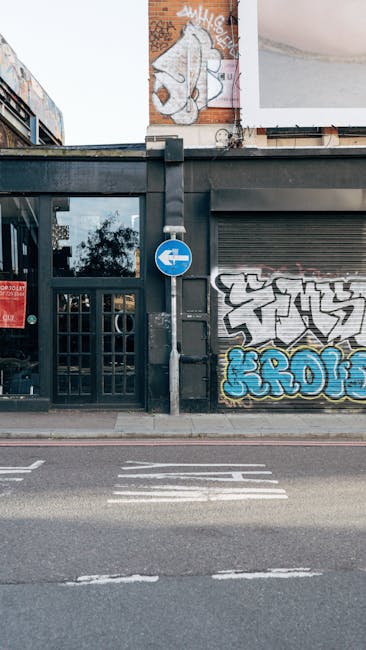
Kilburn High Road Moves: Best Loading Bay Spots
Posted on 22/05/2026
Kilburn High Road Moves: Best Loading Bay Spots for a Smoother Relocation
Moving on or near Kilburn High Road can feel straightforward on paper, then suddenly a loading bay, a busy bus lane, or a tight time window changes everything. If you have ever watched a van creep past the same stretch twice because there was nowhere sensible to stop, you will know the feeling. This guide to Kilburn High Road Moves: Best Loading Bay Spots is here to make that part easier. It explains where loading arrangements matter most, how to plan around them, and what to do so your move stays calm rather than chaotic.
Whether you are shifting a few boxes from a flat, moving heavy furniture, or organising a larger household relocation, the right stopping point can save time, reduce carrying distance, and lower the risk of damage. It also helps you avoid the classic London moving headache: arriving ready to unload and discovering the van cannot legally or safely wait where you hoped.
For a wider planning view, you may also find our guide on stress-free house moving useful, especially if this is part of a bigger relocation. And if your move includes bigger items, the practical advice in our piece on packing efficiently for your move can help reduce delays at the kerbside. Little things, but they matter.
Why Kilburn High Road Moves: Best Loading Bay Spots Matters
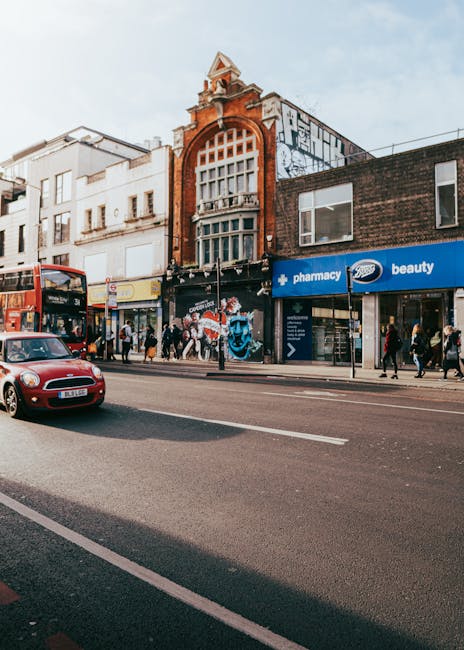
Kilburn High Road is lively, busy, and not especially forgiving when a vehicle needs to pause for long. That is the simple truth. Shops, buses, pedestrians, delivery traffic, and side streets all compete for space, so a well-chosen loading bay or safe stopping point can be the difference between a tidy unload and a frustrating scramble.
The main reason this matters is time. Every extra minute your van spends circling the area means more congestion, more stress, and more chance that your helpers are carrying furniture farther than they should. A good loading bay setup shortens the handover from van to property. It also reduces the amount of lifting through narrow pavements, uneven kerbs, and awkward corners.
There is also a safety angle. A rushed stop on a busy road can tempt people to carry too much, rush stairs, or leave box after box exposed while traffic builds behind them. That is not ideal, to put it mildly. In our experience, the best moves are the ones where the loading plan is thought through before the van arrives.
This is especially relevant for flats, student lets, and smaller properties where access is tight. If your move involves stairs, awkward furniture, or a split load, it may be worth looking at flat removals in Brondesbury or man and van support for the sort of flexible help that suits urban moves. A loading bay is not just a parking spot; it is part of the whole moving system.
How Kilburn High Road Moves: Best Loading Bay Spots Works
In practical terms, loading bay planning means matching your van, your timings, and your property access to the roadside rules and the local street layout. The goal is to create the shortest, safest path from vehicle to doorway. That sounds obvious, but on a road like Kilburn High Road, obvious and easy are not the same thing.
Most people think first about the destination, but the better question is: where can the vehicle stop without causing a problem? That usually means identifying a legal loading point, checking whether any restrictions apply, and confirming whether the stop is intended for unloading only, loading only, or shared use. Sometimes the difference is a few minutes, sometimes it is the whole move.
The work usually falls into three parts:
- Pre-check the street layout. Look for bays, side roads, and places where the van can pull in without blocking traffic.
- Match the bay to the move. A small flat move may only need a short stop, while a multi-room house move might need more secure and predictable access.
- Coordinate timing. If the area is busy in the morning or around school run periods, a later or earlier window can make the whole process far smoother.
One practical detail many people miss: the best loading spot is not always the closest legal space on the map. Sometimes a slightly longer walk on a safer pavement beats a cramped, awkward bay that forces repeated manoeuvres. If you are carrying delicate items, this matters even more. A route with fewer turns and less lifting is usually the better move. Simple, really.
For heavier or specialised items, it is worth reviewing the advice in our heavy-item lifting guide and our ergonomics article. Even the best loading bay does not help if the item is handled badly between the van and the front door.
Key Benefits and Practical Advantages
Choosing the right loading bay arrangement brings a few very real benefits, and they are not just about convenience.
- Less carrying distance: shorter distances mean fewer trips, less strain, and fewer chances to knock a corner or scrape a wall.
- Better time control: if the van can stop where expected, the whole unload becomes easier to plan.
- Lower risk of damage: furniture is handled fewer times, and fragile boxes spend less time in motion.
- Less stress for neighbours and passers-by: a tidy, efficient stop is usually less disruptive than repeated improvised manoeuvres.
- Safer lifting: a short route helps reduce fatigue and awkward twisting.
There is also a mental benefit that people underestimate. When the van is parked sensibly and the first boxes are moving, everyone settles. The move starts to feel manageable. That can change the whole tone of the day. Sounds small, but it is real.
If your move needs protective packing or item-specific preparation, the guide on transporting beds and mattresses is a smart read, and the advice at storing a sofa properly helps if your move involves temporary storage. Good access and good preparation go hand in hand.
Who This Is For and When It Makes Sense
This topic is not just for large household removals. It matters to a fairly wide range of people, especially anyone moving in a built-up London area where roadside access can be tight.
You will benefit most if you are:
- moving from a flat above street level
- using a van for furniture or bulky household goods
- working to a fixed handover time with landlords or estate agents
- moving a student room, studio, or small office
- handling fragile, heavy, or awkward items
- trying to reduce the number of trips in and out of the property
It also makes sense if your move is part of a broader schedule, such as an end-of-tenancy clean, furniture storage, or a same-day handover. In that kind of day, one delay tends to ripple into the rest of it. A small loading mistake can suddenly affect cleaning time, key return, or even your parking arrangement for the next stop. Ask anyone who has moved in London on a wet Tuesday afternoon - the margin for error feels tiny.
If you are between properties or need somewhere to hold items temporarily, you may want to look at storage options in Brondesbury. And if you are dealing with a compact property move, student removals support can be a practical fit for lighter but time-sensitive jobs.
Step-by-Step Guidance
Here is a sensible way to approach loading bay planning for a move near Kilburn High Road.
- Map the property access first. Note the front door, any rear access, stair width, and whether parking or unloading is likely to happen directly outside or nearby.
- Check for loading spaces and restrictions. Look for marked bays, local signage, and any time-based rules. Do not assume what worked last week will work today.
- Choose the most practical stop point. Prioritise safe vehicle positioning, clear unloading, and the shortest sensible carry route.
- Plan the loading order. Put bulky items, essentials, and fragile boxes in the order they will be needed so the van does not become a puzzle halfway through.
- Assign roles clearly. One person should watch the van route and the pavement; one should manage the handoff at the property; one can handle boxes inside.
- Keep the first load easy to reach. Do not bury the items you will need first, and do not trap the tool bag under three mattress toppers. It happens.
- Review as you go. If the first stop is awkward, adapt early rather than forcing the same plan for the rest of the move.
A useful rule of thumb: if an unloading point feels fine when the van is empty but stressful when the first two people are carrying a wardrobe, it is probably not the best choice. Better to pause and adjust than to persist and regret it later.
For practical packing prep, our guide on decluttering before a move can reduce the amount you need to load in the first place, and packing and boxes support can help you get your items organised properly before moving day.
Expert Tips for Better Results
In real moving jobs, the smallest adjustments often produce the biggest gains. Here are a few practical tips that tend to pay off.
- Arrive with the van ready to unload. Fuel, paperwork, trolleys, straps, gloves, and blankets should all be accessible before you reach the loading point.
- Use soft furnishings as buffers. Blankets and mattress covers can protect items from kerbside scrapes and doorframe bumps.
- Choose shoes with grip. Sounds obvious, but wet pavement and repeated carrying do not mix well with flimsy footwear.
- Keep the route clear. A small obstacle on the pavement becomes a much bigger issue when you are carrying a chest of drawers.
- Protect the back, not just the item. Good lifting technique matters more than brute force. If the move involves challenging items, read the practical advice in solo lifting techniques and ergonomic lifting basics.
One small but worthwhile habit is to pause for ten seconds before each larger item leaves the van. Ask: do we know where this is going, and can we carry it there without a detour? That tiny pause can save a broken lamp, a grazed wall, or a muttered "why did we put that there?"
And yes, sometimes the answer is simply to take fewer things at once. There is no award for heroics on moving day.
Common Mistakes to Avoid
Most loading-bay problems are predictable. That is the frustrating part, and also the hopeful part, because predictable problems can usually be avoided.
- Assuming the nearest spot is the best one. It may be legal but terrible for access.
- Ignoring local signage. Bay markings and time restrictions can differ from one stretch of road to the next.
- Starting too late. If the schedule is tight, a delayed arrival often leads to rushed unloading and more risk.
- Overloading the first carry. Two manageable trips are usually better than one heroic but messy one.
- Forgetting building access details. Lift access, entry codes, concierge rules, and neighbour coordination matter more than people expect.
- Not checking weather conditions. A damp curb, wind, or drizzle changes handling and grip more than you might think.
Another one that catches people out: not telling the moving team exactly what the bay or stopping point looks like. A quick description helps a lot. "It's the bay by the pharmacy, just past the crossing" is far more useful than "somewhere near Kilburn High Road." The more specific you are, the smoother the day tends to be.
If your move is more complex than a simple unload, our services overview can help you decide what level of support fits best, while insurance and safety guidance is worth reviewing if you are handling valuable or fragile goods.
Tools, Resources and Recommendations
You do not need a warehouse of kit to make a loading bay work well, but a few items make a genuine difference.
| Tool or Resource | Why It Helps | Best Use Case |
|---|---|---|
| Furniture blankets | Protects surfaces from scuffs and knocks | Wardrobes, tables, mirrored items |
| Straps and ties | Keeps items stable inside the van | Mixed loads and taller furniture |
| Hand trolley or sack barrow | Reduces manual carrying over short distances | Boxes, appliances, heavier household goods |
| Protective gloves | Improves grip and reduces minor knocks | Wet weather, awkward boxes, repeated trips |
| Labels and room markers | Makes unloading faster and more orderly | Full house moves, shared properties, storage runs |
As for resources, the most valuable ones are usually not fancy. A printed move plan, a phone with the route pinned, and a clear contact number for the person receiving the items often matter more than anything else. If you are a bit rushed, a proper checklist beats a good memory. Every time.
For larger or more specialist moves, you may also want to look at furniture removals, house removals, or office removals depending on the type of job. The point is to match the access plan with the move type, not the other way around.
Law, Compliance, Standards, or Best Practice
Because roadside access involves public space, it is sensible to treat loading bay planning carefully. Local restrictions, council signage, yellow lines, and any parking controls can affect where a vehicle may stop and for how long. The exact rules depend on the street and local authority arrangements, so it is always wise to check current signage and local guidance before relying on a spot.
Good practice usually means three things:
- Do not block traffic or pavements. Even a short obstruction can create unnecessary risk.
- Follow displayed restrictions. Bay use, waiting rules, and loading allowances can differ by time of day.
- Keep the move safe for pedestrians. Use a spot that allows clear movement in and out of the property.
It is also sensible to think about property rules. Some flats, managed buildings, or office premises have specific access windows, lift booking arrangements, or requirements for protecting communal areas. That is not bureaucracy for the sake of it; it is often there to reduce disruption and protect the building. A calm move usually follows the rules, even if the rules are a little fiddly.
For peace of mind around service expectations and terms, you can review terms and conditions, health and safety policy, and accessibility information. If you want to understand costs and booking structure before you commit, pricing and quotes is a sensible next step.
Options, Methods, or Comparison Table
Not every move near Kilburn High Road needs the same approach. Here is a simple comparison to help you choose the right method.
| Approach | Best For | Strengths | Trade-Offs |
|---|---|---|---|
| Closest legal loading bay | Short, straightforward moves | Fastest carry route, minimal walking | May be busy or time-restricted |
| Nearby side-street stop | Moves with awkward frontage or heavy furniture | Often less traffic pressure | Longer walk, may need more coordination |
| Pre-booked managed access | Flats, offices, or buildings with controlled entry | Predictable and orderly | Requires planning and confirmation in advance |
| Same-day flexible man and van | Urgent or changing schedules | Adaptable if access changes unexpectedly | Needs clear communication to avoid delays |
For a local, flexible option, man with a van in Brondesbury can suit smaller jobs, while a dedicated removal van is often better for larger loads. If the move is last-minute, same-day removals may be the better route, provided access is clearly understood from the outset.
Case Study or Real-World Example
Here is a realistic example, based on the kind of move that comes up often on busy London streets.
A two-bedroom flat move needed to happen with a short handover window. The occupants had a sofa, a bed frame, a dining table, several boxes of books, and a narrow staircase. The first instinct was to stop as close as possible to the front door. But after checking the street layout, the team realised a slightly different stop point gave a cleaner route and avoided the worst of the foot traffic.
The result was not glamorous, just efficient. The van unloaded in a smoother sequence, the heaviest items came out first while everyone was still fresh, and the last boxes were not dragged through a bottleneck of pedestrians. One person stayed focused on the route, one handled furniture at the door, and one kept the interior stacked in a sensible order. No drama. Which, on moving day, is honestly a small victory.
The same move would likely have gone less smoothly without proper preparation. The people involved had already packed well, cleared clutter, and protected the sofa and mattress for transport. If you are working through similar prep, the guides on cleaning before relocation and packing efficiently are both useful companions to this article.
Practical Checklist
Use this quick checklist before move day, or even the night before if the job is moving fast.
- Confirm the property address and exact entrance used for unloading.
- Check local loading bay signage and time restrictions.
- Decide the best stop point for the van, not just the nearest one.
- Notify the moving team of any staircases, lift limits, or narrow corridors.
- Prepare straps, blankets, trolleys, and gloves in advance.
- Label boxes by room so unloading is quicker and cleaner.
- Keep fragile items separated from heavy items.
- Plan the order in which furniture leaves the property.
- Leave a clear path inside the building and on the pavement where possible.
- Have a backup plan if the first loading point is occupied.
- Keep contact details handy for everyone involved in the move.
Expert summary: the best loading bay spot is not just the one closest to the door. It is the one that balances legal stopping, safe access, short carrying distance, and enough room to work without rushing. That balance is what keeps a Kilburn move calm.
Conclusion
Getting the loading bay part right can make a bigger difference than many people expect. On a busy road, that decision affects time, safety, lifting effort, and the overall feel of moving day. Kilburn High Road can be workable for removals, but only when the access plan is practical, checked in advance, and matched to the size of the job.
If you take one thing from this guide, let it be this: plan the unloading point before the van is on the road. That one habit can save a lot of hassle. And maybe a sore back too.
For a local move, a straightforward van booking, or help with more demanding access, it is worth choosing a team that understands the area and the realities of urban loading. The calmer the start, the better the rest of the day tends to go. Truth be told, that is half the battle.
Get a free quote today and see how much you can save.