Street-by-Street Moving Checklist for Brondesbury Park
Posted on 07/05/2026
Moving in Brondesbury Park can feel deceptively simple until the details start stacking up: permit bays, narrow residential streets, shared entrances, awkward loading spots, and neighbours who would quite like their road to remain passable. That is exactly why a Street-by-Street Moving Checklist for Brondesbury Park is so useful. It turns a moving day from a loose plan into a practical route map.
This guide is designed to help you think beyond packing boxes. You will learn how to plan by street, identify access issues before they become problems, and decide where professional help, storage, or specialist handling makes sense. If you want a calmer move, fewer surprises, and better use of time on the day, start here.
For readers who are also comparing moving support, it may help to look at related guidance on stress-free home relocation planning, packing efficiently like an experienced mover, and decluttering before the move.

Why Street-by-Street Moving Checklist for Brondesbury Park Matters
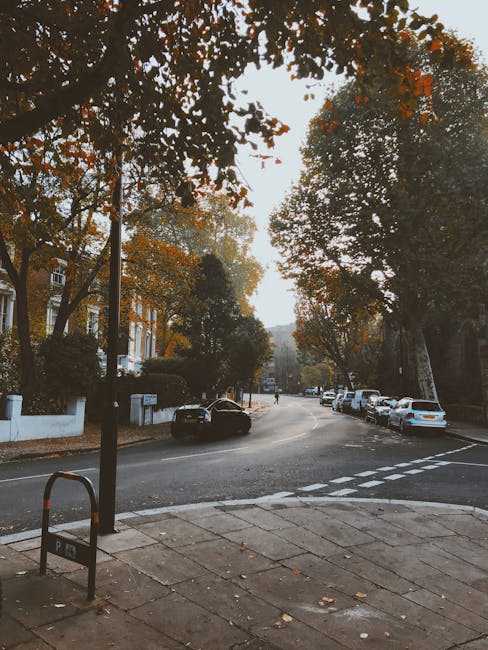
A street-level checklist matters because moving logistics are rarely uniform across a whole neighbourhood. One road may have ample parking and a straightforward entrance, while the next might have tight turns, limited stopping space, or a long walk from van to front door. Brondesbury Park is the kind of area where that difference can change the entire feel of moving day.
Think about what actually slows a move down: waiting for space, carrying items too far, discovering you cannot get close to the property, or realising the sofa will not fit through the stairwell without a plan. A street-by-street approach helps you spot those friction points early. It also reduces the chance that you hire the wrong vehicle, arrive at the wrong time, or underestimate how many hands you need.
It is also useful for tenants and homeowners alike. If you are working to a checkout deadline, a clean and coordinated move can protect your deposit or avoid a rushed handover. For support with the pre-move stage, see how to prepare a spotless home before moving and why piano moving needs specialist handling.
Expert summary: The best move is not always the biggest move; it is the one that is planned around access, timing, and the actual shape of the street outside your door.
How Street-by-Street Moving Checklist for Brondesbury Park Works
The idea is simple: instead of planning your move as one broad event, you break it down by location-specific factors. That means assessing each relevant street, entrance, and loading point before moving day.
1. Map the address and the route
Start with the exact origin and destination. Check the nearest road access, loading bay possibilities, height restrictions, one-way systems, and how far the van may have to park from the property. A short road walk before the move can reveal more than an hour of guesswork.
2. Match the vehicle to the street
Not every street suits the same vehicle. A larger van may be efficient for volume but awkward for narrow or heavily parked roads. A smaller vehicle can be easier to position yet may require more trips. If you need a flexible option, a man and van service or a dedicated removal van may fit the job better than a one-size-fits-all approach.
3. Build the job around access, not just inventory
Two homes can have the same number of rooms but very different moving requirements. A top-floor flat with a narrow stairwell, for example, needs more care than a ground-floor property with direct entry. This is where flat removals support or broader house removals planning becomes relevant.
4. Sequence the move by priority items
Large or fragile items should be identified in advance. Beds, wardrobes, glass tables, and electronics often need different handling from standard boxes. If you are moving bulky furniture, consider reading about furniture removals in Bowes Park for ideas that transfer well to local moves, and use bed and mattress moving advice for the awkward essentials.
5. Create a street-by-street timing window
Some streets are easier in the morning; others become more practical after school runs or commuter traffic eases. Build your schedule around the road, not just the clock. That small adjustment can save a lot of frustration.
Key Benefits and Practical Advantages
A street-by-street checklist may sound a little obsessive at first. In practice, it is simply efficient. Here is what you gain.
- Fewer delays: You reduce time lost to parking, walking distances, and access surprises.
- Better vehicle choice: The right van saves money and stress.
- Less damage risk: Clear routes and shorter carries reduce bumps, scrapes, and strain.
- More accurate quotes: Good access information helps moving companies price the job more fairly.
- Lower physical strain: Planning around stairs, lifts, and awkward turns reduces heavy lifting pressure.
- Better neighbour relations: A tidy, organised loading plan is simply more considerate.
There is another advantage people often overlook: confidence. When you know where the van will stop, which room is loaded first, and what the bottlenecks are, the day feels manageable. That calm matters. If you want a broader reset before moving day, the guide on decluttering before relocation is a strong companion read.
For households with specialist items or unusually heavy furniture, professional support can make the difference between a controlled move and a chaotic one. If you are weighing your options, the service information at removal services in Bowes Park and local removal companies can help you compare what level of help suits your setup.
Who This Is For and When It Makes Sense
This approach is useful for almost anyone moving in or around Brondesbury Park, but it is especially valuable if your move includes any of the following:
- a flat with stairs or limited lift access
- a street where parking is already tight
- large furniture or fragile items
- shared entrances or managed buildings
- a move during busy weekday traffic
- short notice or same-day timing
It also makes sense for students, first-time renters, and families changing neighbourhoods. Students often need a leaner, faster plan; families often need a more structured one. If you fall into either group, a student removals option or same-day removals support may be worth considering, depending on the deadline and volume of belongings.
In short: if access is even slightly complicated, a street-by-street checklist is not overkill. It is common sense with better notes.
Step-by-Step Guidance
Below is a practical sequence you can follow. Keep it simple, and do not try to solve every problem in your head on moving day. That is how people end up carrying a dining chair down a pavement while looking for a parking space. Not ideal.
Step 1: Walk both streets in advance
Check the origin street and the destination street. Look for parking restrictions, loading options, road width, and the position of front doors, side gates, or communal entrances. Note whether there is a slope, steps, or a long path from the road.
Step 2: List the items that will create bottlenecks
Mark the oversized, fragile, or awkward items. These often include sofas, beds, mattresses, wardrobes, freezers, mirrors, and pianos. If you have a large instrument, the technical challenges described in this piano moving guide will explain why specialist handling is usually the safer choice.
Step 3: Decide what needs disassembly
Flat-pack furniture is easier to shift in sections. Beds, tables, and shelving units may need to be taken apart before the move. Keep fittings in labelled bags, and tape them to the relevant item or box. One missing screw can waste half an afternoon, and nobody needs that particular drama.
Step 4: Prepare packing by room and by priority
Pack in a sequence that reflects the order of loading. Essentials and fragile items should be clearly marked. Heavier items should go in smaller boxes to keep them manageable. For more packing structure, use seasoned mover packing tips and the service page for packing supplies and boxes.
Step 5: Plan the van's stopping point
Decide exactly where the van will load and unload. If the ideal place is unavailable, have a backup point ready. This is often the difference between a smooth handover and a frantic reshuffle in the road.
Step 6: Assign roles on the day
Even a small move benefits from role clarity. One person can manage keys and access. Another can check off boxes. Someone else can guide loading order. Clear roles prevent duplication and reduce the chance of missed items.
Step 7: Keep an essentials bag separate
Put documents, chargers, snacks, toiletries, medication, keys, and basic cleaning items in one bag you can access quickly. You do not want to be rummaging through a box marked "miscellaneous" at 10 p.m. after a long day.
Step 8: Confirm the final walk-through
Before leaving, check cupboards, loft spaces, under beds, utility rooms, and any outdoor storage. Most missed items are not hidden cleverly; they are simply forgotten in the rush.
Expert Tips for Better Results
A few small habits can dramatically improve the experience.
- Photograph tight access points: If a doorway or stairwell looks awkward, take a picture before moving day. It helps with planning and communication.
- Use colour-coded labels: It is faster than reading every box label when the van is open and time is tight.
- Load by delivery order: Put the last room you need first in the van if your new property has a more awkward unload point.
- Keep fragile items upright: This seems obvious, but in moving chaos obvious things are easy to forget.
- Do not overload boxes: Heavy boxes are harder to lift safely and more likely to split.
If you are moving anything particularly heavy, the advice in solo heavy lifting safety and kinetic lifting technique guidance can help you move more intelligently rather than just more forcefully.
For a longer move, it can also be worth booking storage for items you do not immediately need. That reduces pressure on the moving day itself and keeps the load size under control. See storage in Bowes Park for the kind of support many households use as a pressure valve.
![A man and a woman are engaged in a home relocation task outdoors during daylight, carrying packed cardboard boxes labeled 'BOOKS' and 'KITCHEN' in large, clear font, indicating they contain household items being prepared for moving. The man holds two cardboard boxes stacked in his arms, which are secured with packing tape and have printed labels, signifying careful packing and organising for furniture transport. The woman carries a wooden crate filled with potted plants, showcasing the wrapping materials used for fragile items. Both are dressed casually in jackets suitable for cool weather, and they are smiling as they progress along a paved area with parked cars and bicycles in the background, suggesting an active busy moving day. The background features leafless trees and a partially visible modern building structure, indicating an urban environment. This scene illustrates the practicality of loading and packing processes during a house removal, supported by the services of [COMPANY_NAME], such as packing and moving logistics, displaying the importance of careful handling and transportation of household belongings as part of a professional removals operation.](/pub/blogphoto/streetbystreet-moving-checklist-for-brondesbury-park2.jpg)
Common Mistakes to Avoid
Most moving mistakes are predictable, which is useful because predictable problems are easier to avoid.
Ignoring access until the van arrives
This is the classic error. People focus on packing and assume parking will somehow sort itself out. In real life, parking is often the first issue that slows everything down.
Underestimating the carry distance
Ten extra metres does not sound like much. When repeated fifty times with boxes, it becomes a very different story.
Forgetting specialist items
Items like pianos, oversized mirrors, or antique furniture need more than standard lifting. If in doubt, bring in help early rather than after something has already gone wrong.
Packing too late
Late packing leads to poor labelling and rushed decisions. The result is usually more stress and more reboxing.
Not checking route restrictions
Some roads are deceptively awkward at certain times of day. Temporary restrictions, school traffic, and resident permit rules can all change how your plan works in practice.
Using the wrong service level
A basic vehicle may be enough for some moves, but not all. If your property is small yet awkward, you may need a smarter service rather than a bigger one. A man with a van service can be useful for flexible smaller moves, while broader house removals are often better for larger family relocations.
Tools, Resources and Recommendations
You do not need a mountain of equipment, but a few practical tools will make the whole process easier.
- Sticky labels and marker pens: for room-by-room box identification
- Measuring tape: to compare furniture dimensions against doorways and stairs
- Furniture blankets: for protecting finishes and edges
- Dolley or sack truck: for manageable transport of heavier items
- Zip bags: for screws, brackets, and small fittings
- Cleaning kit: for final touch-ups before keys are handed over
Useful reading can also save time. If you are still at the planning stage, how to store an idle freezer effectively is helpful if appliance storage is part of the move, while deep-cleaning guidance before departure supports a cleaner handover.
And if you want a wider overview of support options, the services overview, pricing and quotes, and about us pages are sensible places to understand how a provider works before you book.
Law, Compliance, Standards, or Best Practice
For most domestic moves, the practical issues matter more than legal theory. Still, a few best-practice points are worth keeping in mind.
Parking and loading: You should always check local parking and loading restrictions in advance. Do not assume a vehicle can stop anywhere convenient. Councils and local streets often have rules that affect where and when loading is allowed.
Shared buildings: If you live in a block or managed property, follow building rules on lift use, access times, padding, and noise. This is less about bureaucracy and more about avoiding complaints and damage.
Safety: Heavy lifting should be planned, not improvised. Good manual handling practice means using the right number of people, the right equipment, and the right technique. If a load feels too awkward, get help. That is not overcautious; it is sensible.
Insurance: If you are hiring movers, ask what is covered and what exclusions apply. Do not guess. A few minutes of clarification can prevent a much bigger conversation later. For more on this, see insurance and safety information and the more detailed health and safety policy.
Payments and booking terms: Know what you are paying for, when payment is due, and what happens if timings change. The relevant payment and security page and terms and conditions can help set expectations clearly.
Options, Methods, or Comparison Table
If you are deciding how to handle a Brondesbury Park move, the right method depends on volume, access, and urgency. This comparison is a useful starting point.
| Option | Best for | Strengths | Trade-offs |
|---|---|---|---|
| Self-move with hired van | Small, simple moves with good access | Lower upfront cost, flexible timing | More physical effort, more responsibility, more planning needed |
| Man and van service | Smaller homes, flats, student moves | Flexible, practical for local streets, easier for quick relocations | May require you to do some packing and organisation yourself |
| Full removal service | Larger homes, multiple heavy items, time-sensitive moves | More support, less lifting, better for complex access | Usually more expensive than lighter-touch options |
| Storage plus move | Moves with overlap, renovations, or downsizing | Reduces pressure on move day, allows staged relocation | Requires extra coordination and planning |
There is no universal winner. A short local move with easy parking can be handled very differently from a top-floor flat with awkward access. The right choice is the one that matches the road, the building, and your tolerance for heavy lifting. For a practical service route, compare removals support with man and van options and choose based on complexity, not habit.
Case Study or Real-World Example
Consider a typical local move: a two-bedroom flat in Brondesbury Park with street parking that is available, but not generous. The property includes a bed frame, two wardrobes, a sofa, a freezer, and several fragile boxes. Nothing wildly unusual, but enough to become messy if handled casually.
Without a street-by-street checklist, the move might begin with the van parking too far away, followed by repeated long carries, then a last-minute discovery that the wardrobe needs to be dismantled to fit through the stairwell. Add in a few unlabelled boxes and the whole day becomes slow, noisy, and a bit frazzled.
With the checklist, the process changes. The van is planned for the best available loading point, the heavy items are identified first, the freezer is prepared properly, and the bed frame is disassembled before the move starts. Boxes are labelled by room, the essentials bag is separate, and the team knows which items should go on first. The move still takes effort, of course, but it stays orderly.
That is the real value of this approach: not perfection, just fewer avoidable problems.
Practical Checklist
Use this as a final pre-move reference. If something is not ticked here, it deserves attention before the van arrives.
- Walk both streets and check access, parking, and loading points
- Measure large furniture and compare it with doorways and stairwells
- Confirm the best arrival and loading window
- Choose the right van size or removal service
- Book specialist help for heavy, fragile, or valuable items
- Label boxes clearly by room and priority
- Pack an essentials bag for day-one necessities
- Prepare appliances, including any freezer or fridge to be moved or stored
- Disassemble furniture where required and keep fixings together
- Protect floors, corners, and vulnerable furniture surfaces
- Plan a backup parking or unloading point
- Check the final property for overlooked items
- Confirm payment, timing, and any service terms in advance
If you want broader moving reassurance, the guide on tackling house moving with less stress is a helpful companion to this checklist.
Conclusion
A good move in Brondesbury Park is rarely about luck. It is about paying attention to the street itself, planning for access, and making the route as simple as possible before the first box is lifted. A street-by-street checklist gives you that structure. It helps you avoid rushed decisions, improves safety, and makes it easier to choose the right level of support.
Whether you are moving a flat, a family home, or a smaller load that still needs careful handling, the key is the same: plan around the road, not just the rooms. If you do that, moving day becomes far more manageable. Calmer, too.
Get a free quote today and see how much you can save.